
Face tape for wrinkles is having a viral moment. Scroll for five minutes and someone is attempting to smooth their forehead with a strip of tape, promising a younger face by morning. So is there anything to it, or is it just TikTok hype? The honest answer is a bit of both. Tape can make a line look smoother for a little while, but not for the reason the videos imply, and the version that actually holds your skin still is probably already on your radar under a different name.
A lot of people call Frownies a face tape, and in the everyday sense they are right. It is worn on the face, overnight, to smooth expression lines. The difference is what it is made of and how it works, because most face tape is stretchy with acrylic adhesive that moves with your face, while Frownies is a firm paper patch that holds the skin so it cannot crease. There is almost no research on how or why ordinary face tape would smooth a wrinkle, only a reasonable guess that it traps moisture overnight, while Frownies works by a physical mechanism you can actually explain.
Does face tape work, and does anyone actually know why?
So far, no one has really studied if face tape actually works. If you search for evidence that face tape for wrinkles changes anything and you'll find plenty of before-and-after clips, but not clinical trials. What we can say are a few reasonable assumptions rather than a proven mechanism for how face tape works.
The first is likely mechanism is occlusion. Occlusion is when something sits on the skin and slows water from evaporating from the surface layers. Skin that holds more water looks plumper, so fine lines look softer when you take the tape off in the morning. That is a real effect, and it is also temporary. It is the same reason a heavy occlusive layer over a face lotion makes skin look smoother by morning. You can learn more in our article on castor oil for wrinkles. Occlusion softens the appearance of wrinkles by trapping water in the top layers of the skin for a few hours. So when someone asks whether face tape "works," the fair answer is that it can make skin look briefly smoother, probably by trapping moisture.
Face tape does not hold your skin still the way people think
Most face tape, the kinesiology-style tape people reach for, is elastic. It is a woven cotton-and-spandex fabric coated with a synthetic acrylic adhesive, and it is built to stretch. That stretch is beneficial in athletic use, because the tape moves with the body. However, when attempting to smooth wrinkles, face tapes still allow movement. Put it on your forehead and you can still raise your eyebrows, still frown, and still furrow. The skin underneath is not locked in place; it moves easily under the tape.
Expression lines come from the skin folding in the same spot, over and over. If the tape stretches with every expression you make, it is not stopping the fold, it is riding along with it. So the popular idea that face tape holds a wrinkle flat all night does not match what the material does.
Then there is the other thing people reach for, clear household or office tape, the kind most of us call Scotch tape. It is not stretchy the way kinesiology tape is, so you might expect it to hold the skin still. It does not. It is thin and flexible, and its grip is not firm enough to splint the skin, so when the muscle moves, the skin still folds and the tape just bends and lifts along with the crease. One kind of tape moves because it stretches, the other moves because it is flimsy, and neither one actually stops the fold. On top of that, household tape was never designed or tested for skin at all, which makes peeling it off delicate facial skin the harshest version of the adhesive problem this whole trend runs into.
Face tape for sleeping and the expressions you never notice
You make hundreds of facial expressions a day, and you keep making them while you sleep. Most people have no idea how much their face moves overnight, frowning into a pillow, squinting through a dream, pressing the same crease into the same spot for hours. On top of that, side and stomach sleeping press and fold the face against the pillow, and that mechanical compression is now understood to be its own source of wrinkles, separate from expression lines. A 2016 review in the Aesthetic Surgery Journal found that sleep wrinkles come from compression, shear, and stress forces and differ from expression wrinkles in cause, location, and direction.
So keeping the skin from folding overnight is a sensible goal. The question is whether a stretchy strip of acrylic-coated fabric is the tool for that job, since it moves when your face moves and because of what its adhesive does to skin over hours of wear.
Night face tape for wrinkles and what the adhesive does to your skin
The adhesive on most face tape is a synthetic acrylic, which is a type of plastic. It is engineered for athletic and medical adhesion, not formulated for the delicate skin of the face, and the dermatology literature has a lot to say about acrylic adhesives on skin. Acrylates, the building blocks of these adhesives, are recognized skin sensitizers. In one striking real-world example, 81% of continuous glucose monitor users with sensor-related rashes patch-tested positive to an acrylate in the device adhesive, and those sensors sit on the skin for long stretches at a time, the same way overnight tape does.
There is a second cost, and it is the flip side of the occlusion that made the line look smoother. Occlusion in small doses holds a little water at the surface of the skin so fine lines look plumper. Pushed too far, sealed tight against skin for hours with nowhere for the moisture to go, occlusion tips into maceration. The waterlogged top layer softens and weakens, the same way fingertips go pruny in a long bath. Skin in that state has a compromised barrier and tears more easily, which is exactly when peeling a strong adhesive off does damage. A review of adhesive-related skin reactions found that repeated occlusion and maceration under an adhesive disrupt the skin barrier. And peeling that adhesive off can lift the top layer of skin along with it, the mechanism documented in research on medical adhesive-related skin injury. Facial skin, especially around the eyes, is naturally much thinner and more vulnerable to all of this than skin elsewhere on the body.
This is one place the material really matters. Because Frownies is made of kraft paper, which breathes in a way plastic cannot, it can hold skin smooth overnight without sealing in moisture, bacteria, and dead skin cells for hours. And unlike plastic face tapes with an acrylic adhesive, you moisten and saturate a Frownies patch to remove it gently in the morning, so you are lifting it from the delicate facial skin rather than stressing the skin barrier.
Why Frownies is the face tape that actually holds your skin
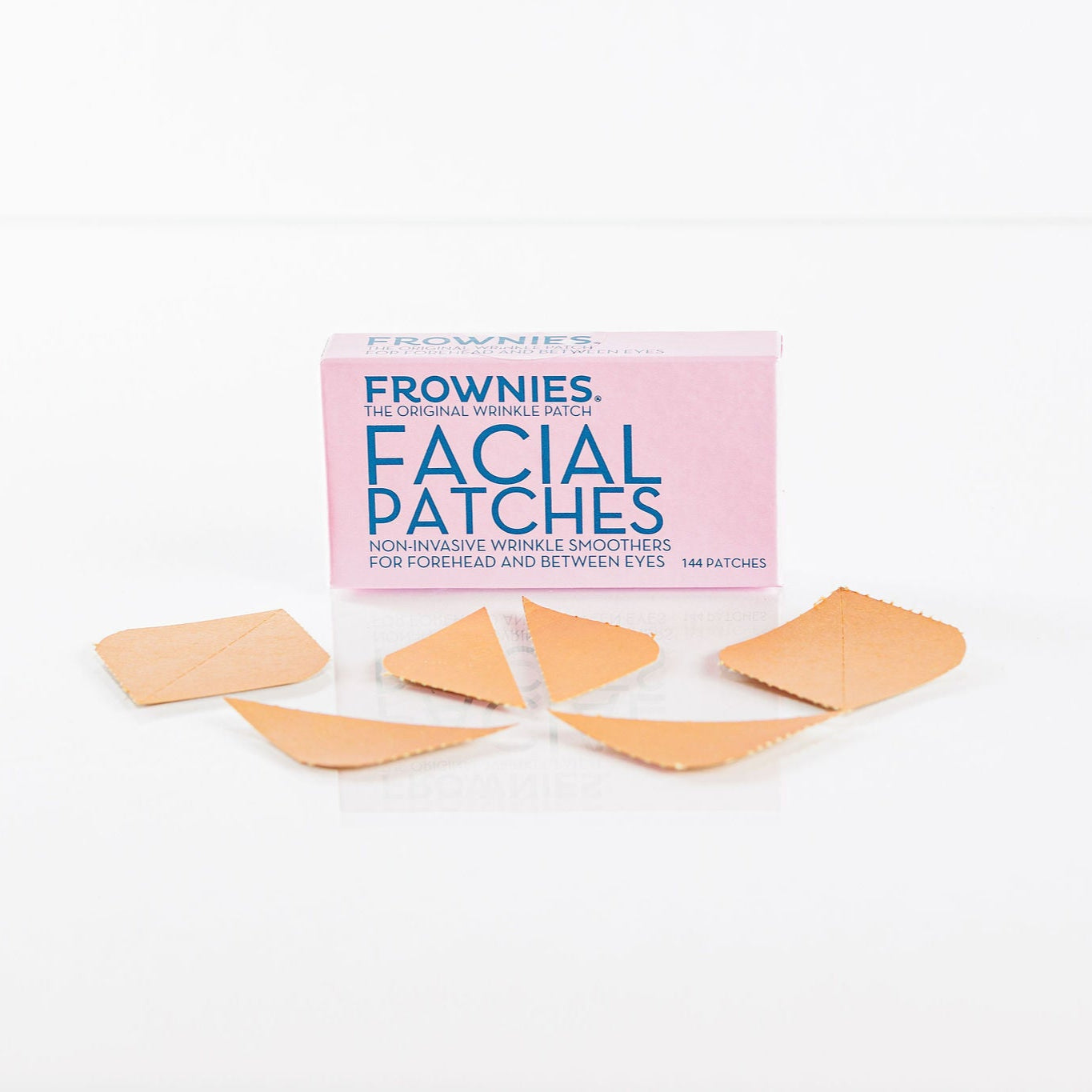
Frownies Facial Patches are made of unbleached kraft paper with a vegetable-starch adhesive, not a synthetic acrylic polymer. You moisten a Frownie patch, smooth the skin over a forehead line or between the brows, and press it on. As it dries, it hardens, a little like papier-mache. A patch that has dried hard over smoothed skin does not stretch when your face moves. It gently holds the skin in place, through every expression you make in your sleep.
That is the real difference within the face tape category. Ordinary face tape moves with your face, so it is not stopping the creasing. Frownies is rigid once dry, so it physically keeps the skin from creasing into that specific line while you wear it. Both get called face tape and both are worn to smooth fine lines and expression lines overnight. The material tells the same story, a synthetic acrylic adhesive built for athletic tape on one side, plant-based starch on unbleached paper made for the face on the other, lifted off with water in the morning instead of peeled away dry.
Tested for repeated wear, not just assumed safe
The gentleness is tested, not just claimed. Frownies Facial Patches for Forehead & Between the Eyes and for Corners of the Eyes & Mouth are HRIPT tested, the six-week, repeated-exposure human study the FDA recognizes for establishing whether a product provokes irritation or sensitization over time. They are also dermatologist tested. Face tape, by contrast, is a synthetic acrylic adhesive with no comparable consumer sensitization testing behind it for facial use, and a documented history of causing skin irritation like contact dermatitis in prolonged skin contact. When the whole idea is to wear something on your face night after night, repeated-wear testing is exactly the reassurance that matters.
The overnight lines people target with tape
The spots people tape are the same expression lines Frownies was built for, which is part of why the two get confused.
Face tape for 11 lines between the brows
The two vertical lines between the eyebrows, the "11 lines," are a classic taping target, and they are also the exact spot Frownies was originally made for. These lines form from frowning and concentrating, the muscle drawing the brows together and folding the skin, awake and asleep. A stretchy strip of tape moves when that muscle moves. A Frownie patch that has dried firm over the smoothed skin between the brows holds that specific spot so it is not folded all night, which is why the between-the-brows patch exists as its own shape.
Facial tape for smile lines and the eye area
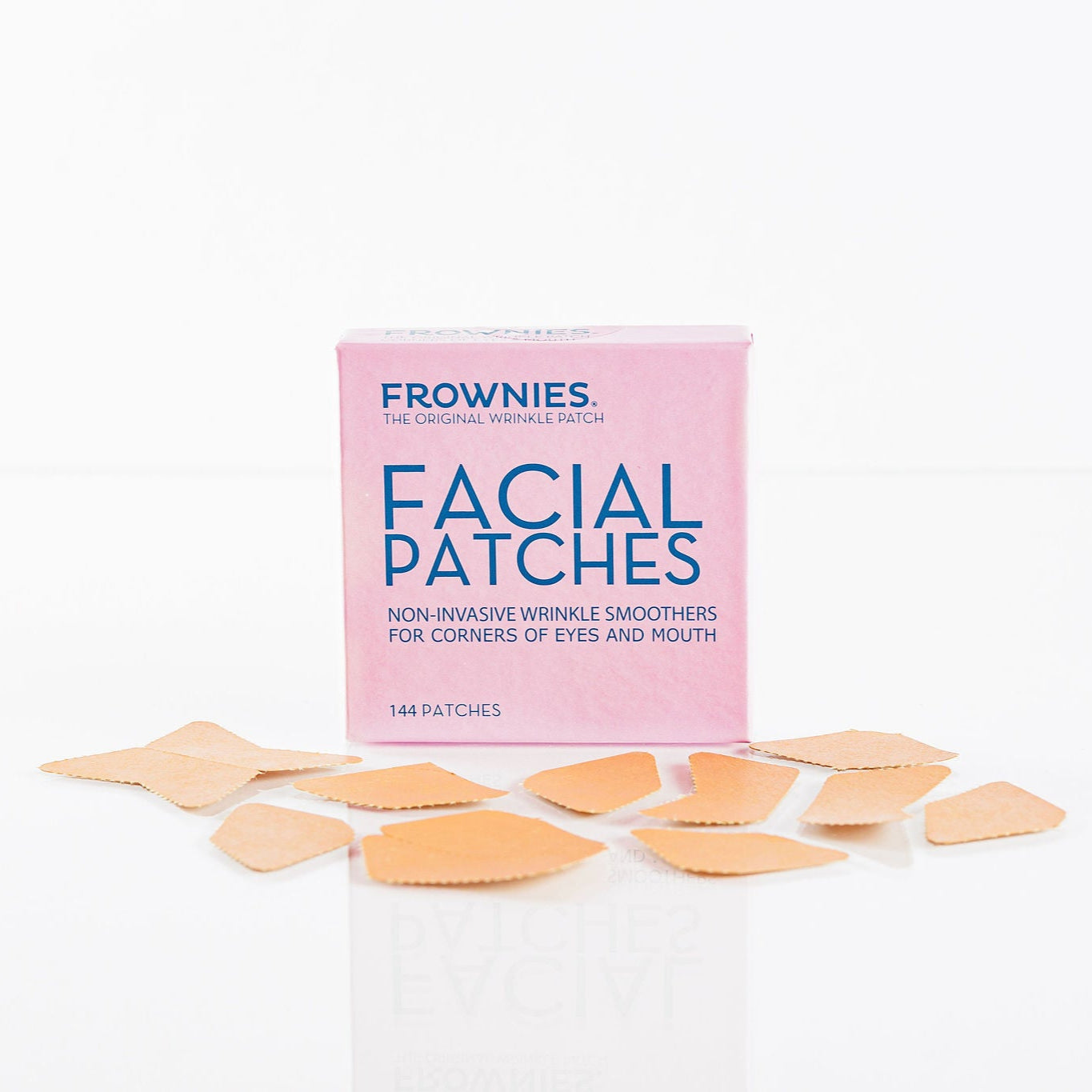
Taping smile lines works the same limited way taping anywhere does, it can make the fold look softer for a few hours by holding and hydrating the skin, then it comes back once the tape is off. Smile lines are tricky to tape well, because they sit on skin that moves every time you talk, eat, or smile, so a strip has a hard time staying put and an even harder time holding anything still. The area right around the eyes is the most delicate skin on the face, so it is also where an adhesive is most likely to irritate or lift skin on removal. A water-activated patch like Frownies, shaped for the corners of the eyes and mouth, is the gentler way to hold that skin smooth overnight.
Face tape for wrinkles before and after, how to read the photos
Before-and-after clips are the engine of this whole trend, and they deserve a skeptical eye. A photo taken with tape still on is showing you moisture and, at most, tension in that moment, not a lasting change. The fair comparison is the same face hours after everything comes off. That is the picture almost no video shows you. The same skepticism answers the bigger question of whether wrinkle patches work at all. Judge any of it, tape or patch, by how the skin looks after the effect is gone and after consistent use over weeks, not by the flattering shot taken mid-wear.
How to replace your face-taping routine with Frownies
Switching from face tape to Frownies is simple, and the routine is gentler on your skin from the first night.
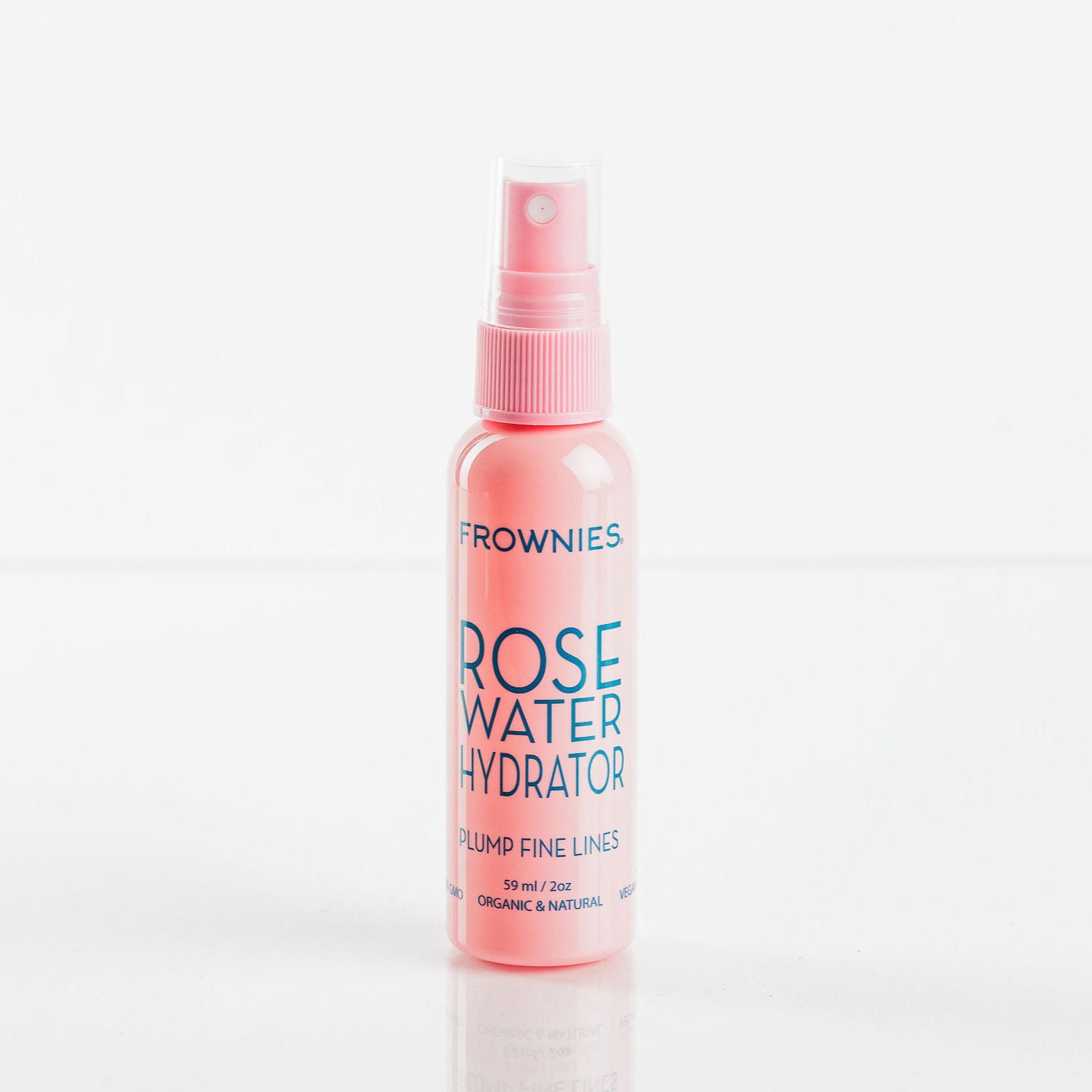
- Prep the patch. Tear off an individual Frownie patch, moisten the shiny side with Rose Water, and wait until it feels tacky.
- Smooth and stick. Hold the skin smooth and press the patch onto clean, dry skin. On the forehead, overlap patches to cover the whole area.
- Wear overnight. Leave it on for 3+ hours or overnight to help hold the skin smooth while you sleep.
- Remove and repeat. Dampen the patch in the morning to lift it off gently. Use nightly until you like your results, then as needed.
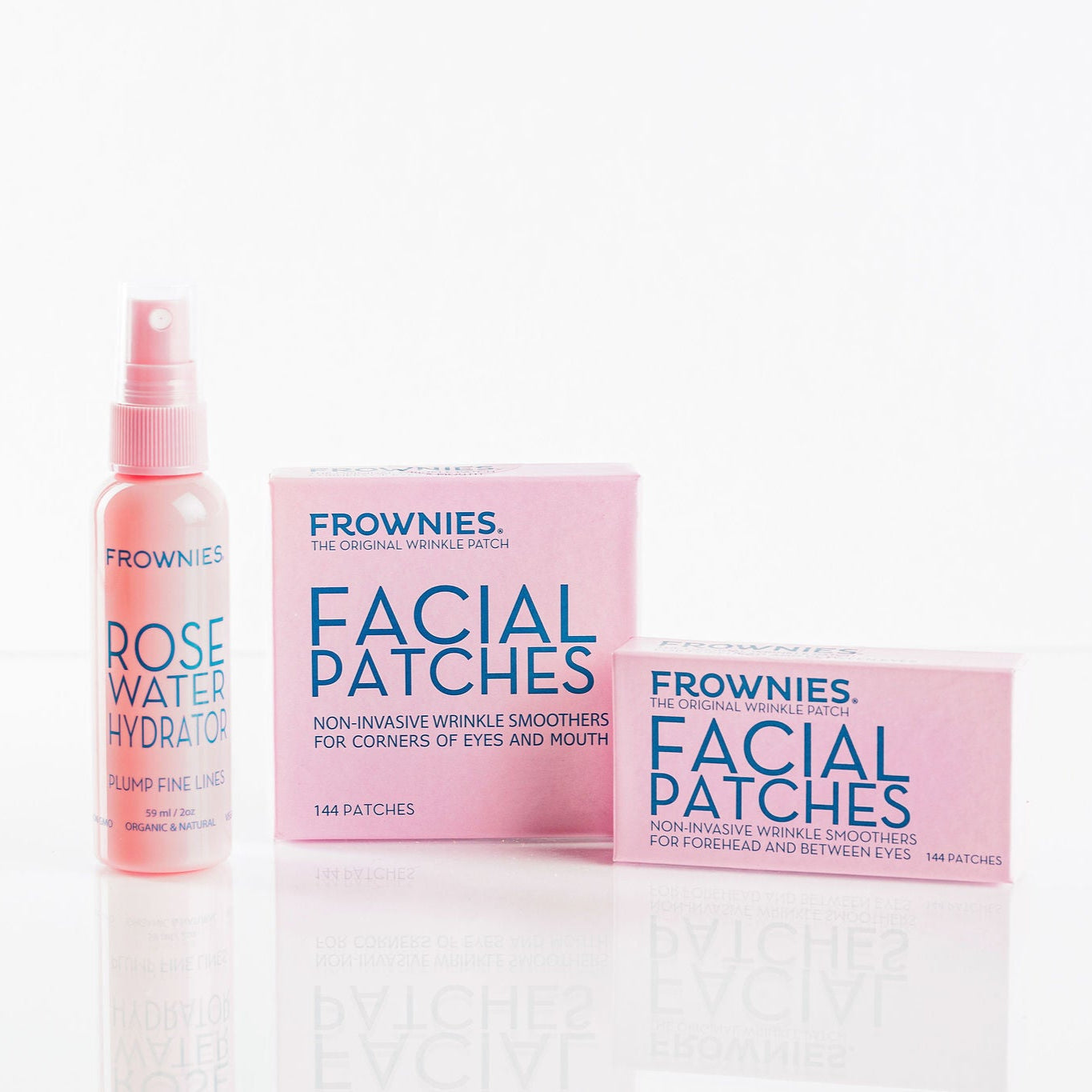
If you have been reaching for face tape at night, the facial patches collection has shapes made for all areas of your face, so you can match the patch to the line you are targeting. And if you are weighing the other facial patch options people consider, our look at silicone patches for wrinkles walks through how they compare to the original wrinkle patches, Frownies.
Frequently asked questions
Does face tape work for wrinkles?
It does appear that face tape can make a line look smoother for a short time, most likely by acting as an occlusive that traps moisture at the skin's surface overnight, so fine lines look plumper when you remove it. There is very little research on how or why it would work beyond that, and no good evidence it produces a lasting change. Treat it as a temporary, moisture-based effect, not a treatment.
Is face tape safe to sleep in?
For many people it is fine occasionally, but there are some real cautions. The adhesive is usually a synthetic acrylic, a documented skin sensitizer, and prolonged occlusion plus peeling can disrupt or strip thin facial skin, with the eye area most at risk. Household and craft tapes are not made for skin at all. If you try any overnight adhesive, use one meant for skin, never remove it dry, and stop at the first sign of redness or itching.
What is under eye wrinkle tape and does it help?
Under eye wrinkle tape is a small strip placed beneath the eye to hold that skin overnight. Any smoothing is temporary and most likely from trapped moisture. The concern is that the under-eye area is among the most delicate skin on the body, so it is where acrylic-adhesive irritation and skin stripping are most likely. A moistened patch shaped for the corners of the eyes is a gentler way to hold that skin smooth.
Is "botox tape" the same as Botox?
No. "Botox tape" is just a nickname people search for face tape used to hold facial skin, and it has nothing to do with an injectable. Botox is a neurotoxin injected to relax a muscle; tape is an adhesive on the outside of the skin. They work by completely different means, and tape does not do what an injection does. If you are looking into this because you would rather skip needles, our fuller look at botox alternatives gives you a full comparison.
The bottom line, a better-understood option than tape
Face tape for wrinkles can make a line look softer for a few hours, most likely by trapping moisture at the surface, and there is almost no research showing it does anything more. The stretchy tape most people use moves right along with your face, so it is not holding any wrinkle flat, and its acrylic adhesive is a synthetic plastic with a real record of irritating skin over long, occlusive wear. If the goal is to keep expression lines from folding while you sleep, Frownies dry firm is built for exactly that. It holds the skin so it cannot crease into the line, it is HRIPT and dermatologist tested for repeated wear, and it comes off wet instead of ripping away dry. Frownies gets lumped in with other face tapes, but it's truly in a category all its own.