

As the seasons change and indoor heating cranks up, many of us notice our skin changing, too. Dry facial skin can feel tight, itchy, or flaky, and it can make fine lines and "dehydration lines" on the forehead easier to see. If you've found yourself asking, "What causes dry skin on my face, and what actually helps?", you're in the right place.
The good news is that dry skin on the face is common and, for most people, very manageable. This guide covers what causes it, how dry skin differs from dehydrated skin, and ten habits and products that can help your skin feel comfortable and look healthy again, including a few of our newer favorites.
Dry Skin vs. Dehydrated Skin
These two get mixed up all the time. Dry skin lacks oil, the lipids that help keep your skin soft and protected. Dehydrated skin lacks water. Many people have a bit of both, which is why a good routine does two jobs: it adds water (with ingredients like hyaluronic acid, aloe, and glycerin) and helps keep it there (with moisturizers and gentle habits that protect your skin's barrier).
What Causes Dry Skin on the Face?
Dry facial skin can have many causes, and often it's a few working together.
Change in Seasons
Cooler temperatures, lower humidity, and constant switching between heated indoor air and cold outdoor air can all pull moisture from your skin.
Dehydration
Your body's internal hydration affects how much moisture your skin holds. If you're not drinking enough water, your skin may show it.
Hot Water
Long, hot showers and baths feel great but can break down the lipid barrier that helps your skin hold on to moisture.
Over-Exfoliation and Harsh Products
Your skin works hard to maintain its balance, so be gentle with it. Over-exfoliating, or using harsh cleansers, strong astringents, and heavily fragranced products, can strip the skin's protective barrier (sometimes called the acid mantle), the outer layer that helps keep moisture in and irritants out.
Nutrition
Healthy skin relies on a variety of vitamins and minerals, including vitamins A, B, and D, zinc, and iron. If you suspect you're low in something, your doctor can test for it. You can also learn more about vitamin D in this article.
Age and Genetics
Some people are simply prone to dry skin, and our skin produces less oil as we age.
 Is Dry Facial Skin Bad?
Mild dryness is usually more uncomfortable than harmful. But when your skin barrier is compromised, skin can become more reactive and more prone to irritation, so flaky, itchy skin is worth caring for. Occasionally, dry skin is a sign of something more. If your dryness is severe, painful, or persistent, or comes with cracking, oozing, or intense redness, check in with your doctor or dermatologist. Conditions like eczema or thyroid issues can also show up as dry skin. For most people, though, a gentle routine and a few smart habits make a big difference.
How to Treat Dry Skin on the Face
1. Simplify Your Skincare Routine
A few well-chosen products usually beat a crowded shelf. For most days, a gentle cleanser, a moisturizer, and an SPF in the morning are all you need. Our pH Balancing Face Wash is designed to cleanse while helping maintain your skin's natural moisture barrier, without stripping your skin's natural oils.
2. Choose Gentle Products
Skip strong astringents, harsh soaps, and heavy fragrance. They can irritate dry skin and leave it feeling tight. For a lightweight serum, try our Apple Serum. It pairs apple stem cell extract with hydrating ingredients like trehalose, snow mushroom extract, and oat kernel extract.
3. Moisturize on Damp Skin
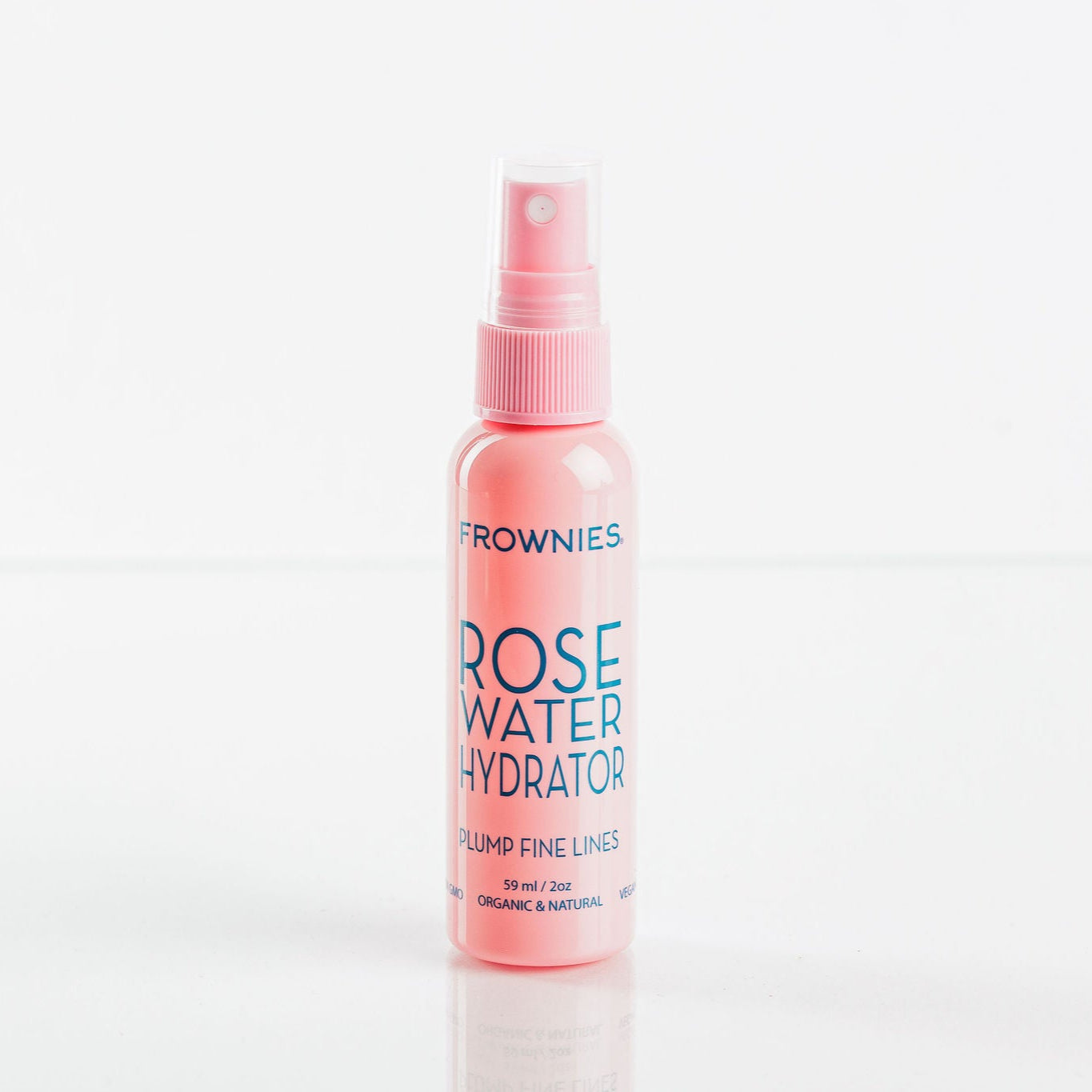
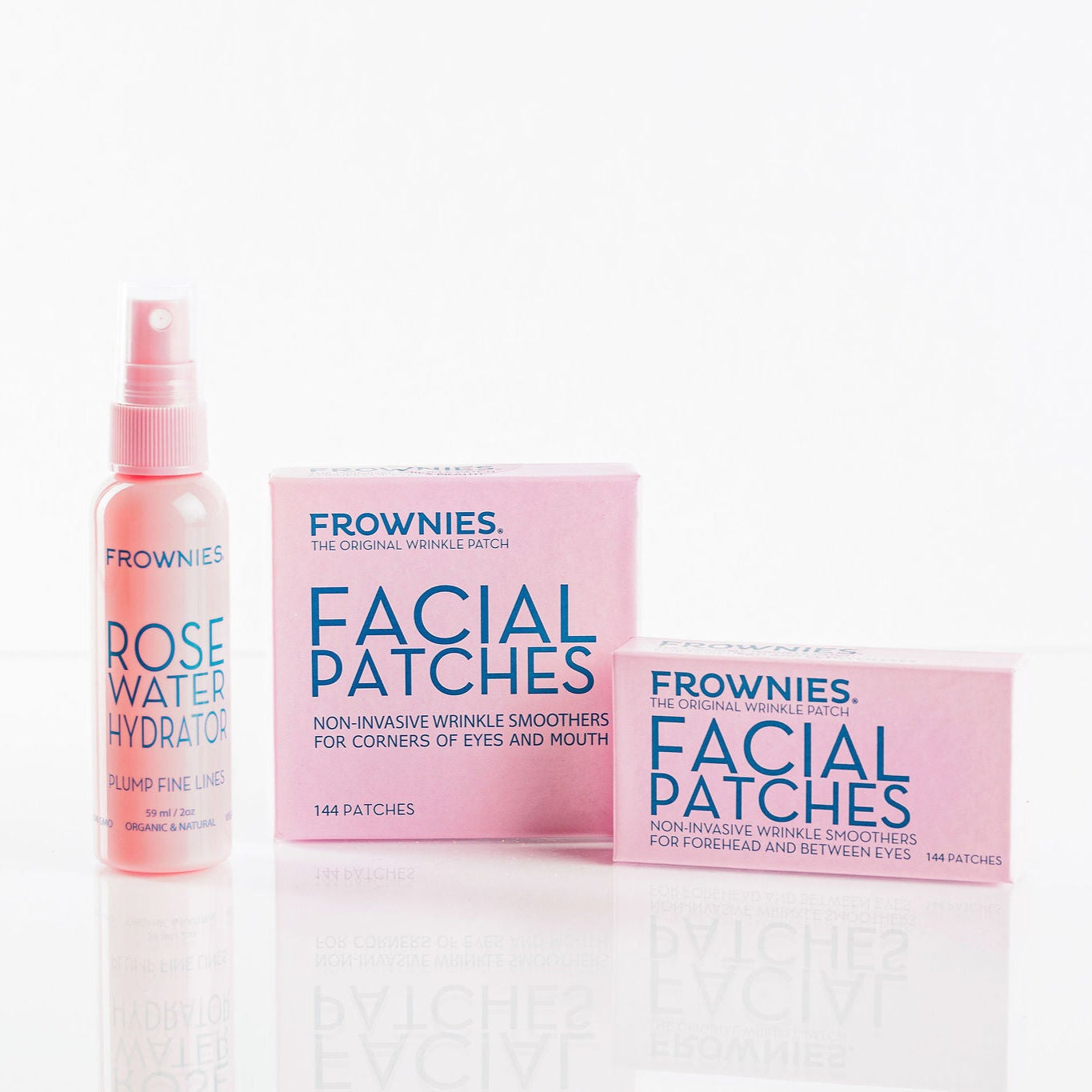
Apply your products to damp skin, right after cleansing or showering, to help lock in hydration. We call it a "moisture sandwich": mist your face with Rose Water Hydrator, made with organic rose water and hyaluronic acid, then seal it in with our Aloe & Oat Gel Moisturizer for Face & Neck. It's made with aloe vera, oat oil, and black sea algae, and it leaves skin soft and balanced. Around the eyes, add our Vitamin E Eye Cream.
4. Add a Weekly Hydration Boost: Full Face Collagen Mask
When your skin needs extra care, a hydrating mask is a great reset. Our Full Face Collagen Mask is a two-piece hydrogel mask, one piece for your forehead, cheeks, and nose, and one for your mouth and jawline, that hugs your skin with a cooling, cushiony layer of moisture. It's infused with hydrolyzed collagen, apple stem cells, red algae, and soothing botanicals like aloe and calendula, and it leaves skin looking dewy and refreshed. Use it once or twice a week. Wear it for 30 minutes before makeup, a few hours while you unwind, or overnight.
5. Give Your Forehead Extra Care: Forehead Serum Patch
The forehead is often where dehydration lines show up first. Our Forehead Serum Patch is a soft cotton patch with a gel-like serum on one side, made with ingredients like aloe, macadamia seed oil, olive oil, hydrolyzed collagen, and vitamin E. It doesn't have an adhesive. You simply lay it across your forehead for 15 to 30 minutes while you get ready, and each patch can be reused 2 to 3 times (store it on its backing between uses). For a cooling treat, chill it in the fridge first. It's a hydration treatment, not a replacement for our Original Facial Patches, which are designed to hold skin smooth for expression lines. They work well together. If you have a nut or wheat sensitivity, check the ingredient list first, since it includes macadamia seed oil and wheat germ oil.
 6. Don't Forget Your Lips
Lips are often the first place dryness shows, and they have no oil glands of their own. Our Lip Mask with Moisturizing Castor Oil & Squalane combines squalane, castor oil, and beeswax to lock in moisture and help soften dry lips. Wear it during the day for a quick boost, since it layers under lip products without feeling sticky, or overnight as a deeper treatment. If you've had lip filler or another lip procedure, check with your injector before adding a new lip product.
7. Turn Down the Heat
Lukewarm water is gentler on dry skin than hot. Keep showers short, pat (don't rub) your skin dry, and moisturize right away.
8. Hydrate From the Inside Out
Drinking enough water and eating plenty of colorful fruits and vegetables gives your skin the nutrients and hydration it needs from within. Foods rich in omega-3 fatty acids and antioxidants are great additions. Everyone's water needs are different, so listen to your body. Alcohol can also contribute to dehydration, so if your skin is struggling, try cutting back and drinking extra water. Learn which foods to eat for healthier skin here.
9. Use a Humidifier
A humidifier adds moisture back into dry indoor air, which can be especially helpful in your bedroom overnight. Many people find their skin feels more comfortable in the morning.
10. Try a Silk or Bamboo Pillowcase
You spend seven to nine hours a night with your face on your pillow. Smoother fabrics like silk and bamboo create less friction against your skin and hair than rougher textiles, and many people find them more comfortable. We love the sheet sets from Simply Organic Bamboo, a family-owned and operated small business. Use code "frownies" for 20% off your purchase.
 A Simple Dry-Skin Routine
| When | Routine |
|---|---|
| Morning | Cleanse with pH Balancing Face Wash, mist with Rose Water Hydrator, apply Apple Serum, then Aloe & Oat Gel Moisturizer (Eye Cream around the eyes), then your daily SPF. Finish with Lip Mask. |
| Evening | Cleanse, mist, apply serum and moisturizer, then Frownies Facial Patches over expression lines once your products have absorbed. Wear Lip Mask overnight if you like. |
| 1 to 2 times a week | Full Face Collagen Mask, worn for 30 minutes or overnight. |
| A few times a week | Forehead Serum Patch for 15 to 30 minutes while you get ready. |
 Can Dry Skin Cause Wrinkles?
Dry skin doesn't create expression lines, but it can make fine lines and dehydration lines look more pronounced. Think of hydrated skin like a plump grape and dry skin like a raisin. Well-hydrated skin looks fuller and smoother, which is why keeping moisture up is one of the simplest things you can do for how your skin looks.
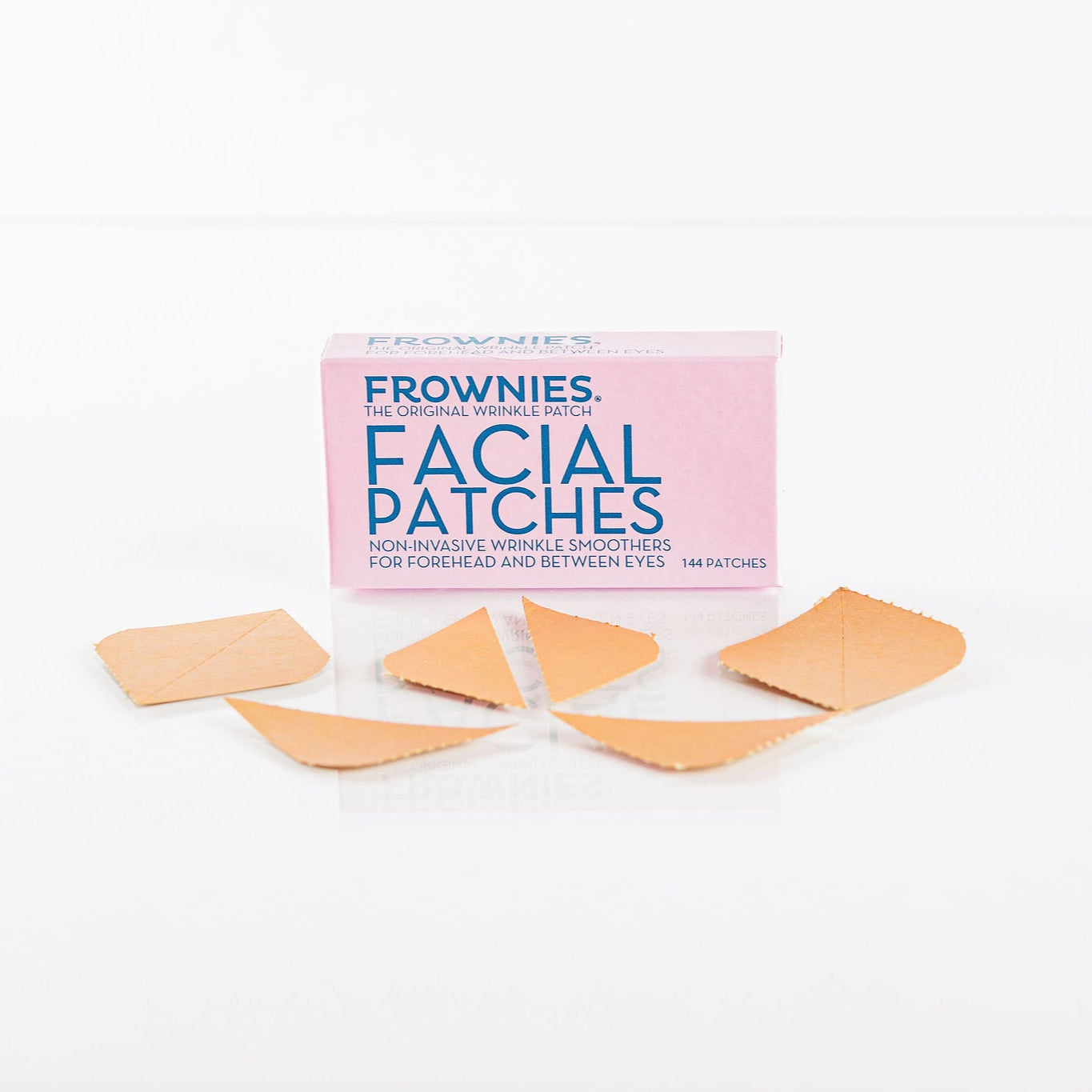
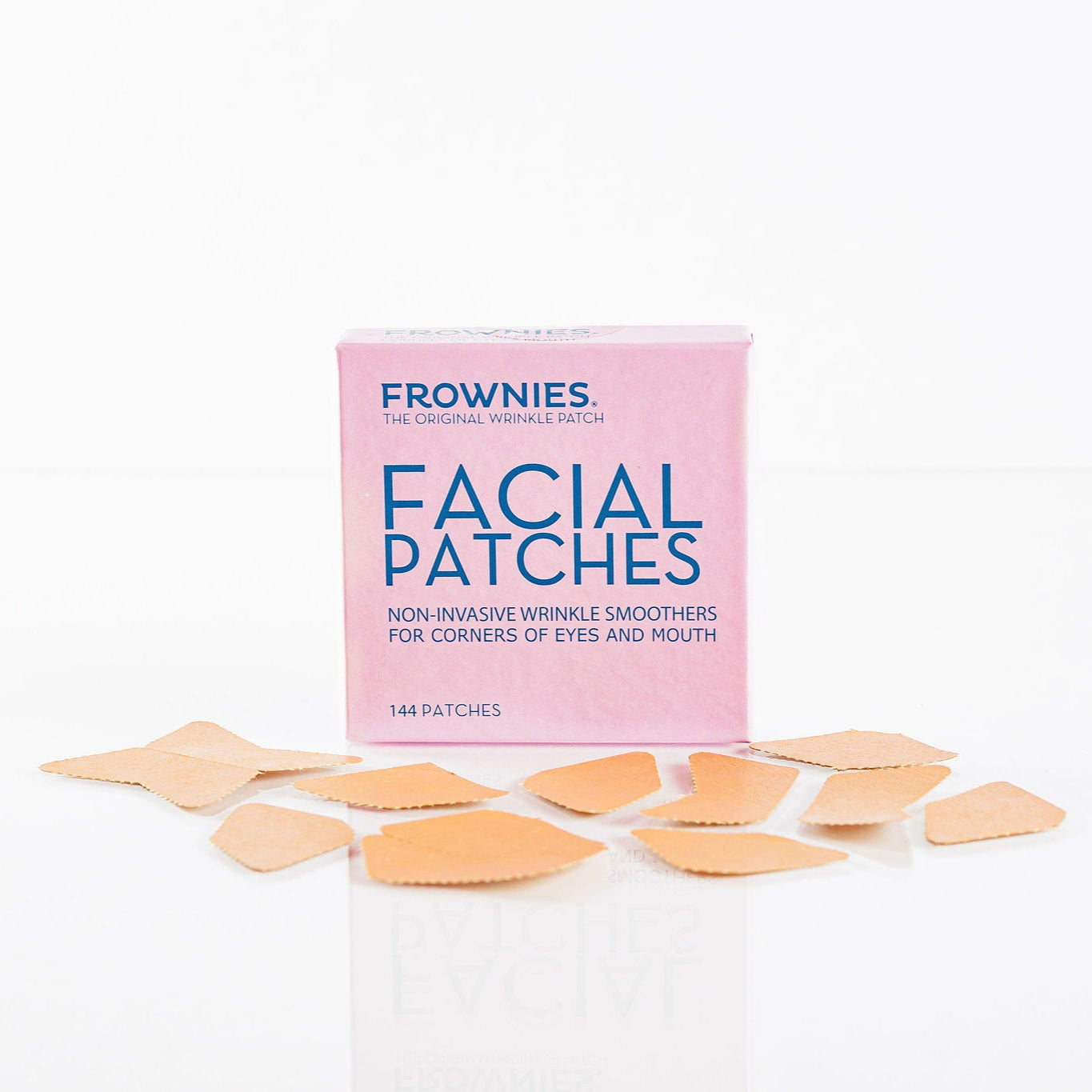
Expression lines are different. They form from repeated folds in the same spot, and hydration alone can't stop that. That's what Frownies Facial Patches are for: they dry firm over smoothed skin and help hold it in place overnight. Curious about the connection? Read Does Dry Skin Cause Wrinkles? and browse everything we make for dry skin in our Dry Skin collection.
For a full morning and evening skincare routine, head over to Frownies Instagram highlights.
Frequently Asked Questions
What's the difference between dry skin and dehydrated skin?
Dry skin lacks oil, while dehydrated skin lacks water. Many people have both, so a good routine adds water with humectants like hyaluronic acid and aloe, and helps keep it in with a moisturizer.
What's the best way to moisturize dry skin on the face?
Apply your moisturizer to damp skin right after cleansing. Mist first with a hydrating spray like Rose Water Hydrator, then seal it in with your moisturizer.
How often should I use a hydrating face mask?
Once or twice a week is a good starting point for our Full Face Collagen Mask. If your skin is feeling especially dry, you can wear it overnight.
Can I use the Forehead Serum Patch with Frownies Facial Patches?
Yes. They do different jobs and work well together. Wear your Original Facial Patches overnight to help hold skin smooth, then use the Forehead Serum Patch in the morning for a 15 to 30 minute hydration boost after you remove them.
When should I see a doctor about dry skin?
If your dryness is severe, painful, or persistent, or comes with cracking, oozing, or intense redness, check in with your doctor or dermatologist.
The Bottom Line
Dry facial skin is common, and for most people it's very manageable. Keep your routine simple, choose gentle products, moisturize on damp skin, and give your skin an extra boost once or twice a week with a hydrating mask. Treat your forehead and lips to a little targeted care, and support your skin from the inside with water, good food, and a humidifier. A little consistency goes a long way.