
Rose water is about the closest thing in skincare to bottling a rose petal bath. It smells like a garden right after rain, and it looks beautiful sitting on a shelf. What it is actually doing for your skin is where things tend to get vague.
So here is the plain version. The main rose water benefits for skin are lightweight hydration, a calmer and more even-looking complexion, and a fresh, comfortable feeling after cleansing. Rose water is a floral water made by steam distilling rose petals, which means it is water carrying a small amount of the flower's aromatic and phenolic compounds. It soothes and refreshes rather than treats, and it does its best work as a supporting step rather than as the star of a routine.
 What rose water actually is
Rose water, also sometimes labeled rose hydrosol, is what remains after rose petals are distilled in steam. The steam carries off the volatile compounds, the essential oil is separated out, and the fragrant water left behind is the rose hydrosol. It is not a diluted essential oil, and it is not a perfume. It is a genuine, and very gentle, plant extract.
Along with the scent, the water picks up a small share of the antioxidant compounds in the petals of the damask rose, the variety most rose water is made from. That small share is the point. Rose water is dilute by nature, which is why it soothes and refreshes rather than changing anything, and why it's versatile and hard to overuse.
Three rose water benefits for skin worth knowing
The benefits of rose water are two-fold: appearance-level and comfort-level. Here are three you'll be excited about.
Light hydration you can layer
Rose water puts a thin layer of water-based moisture on the skin, which is why it leaves skin looking dewier and feeling more comfortable right away. On its own, it is refreshing rather than deeply moisturizing, because the water alone can evaporates. Applied to slightly damp skin and followed with a cream or a facial oil, though, it becomes a useful first layer. That sequencing is the what let's you get the most out of rose water for dry skin. Apply the rose water, then put something on top to hold it on the skil.
A calmer-looking complexion
A spritz of rose water can quickly calm skin that looks flushed after cleansing, after sun, or after a strong active often looks calmer. Some of that may come from those antioxidant compounds picked up from the rose petals, and some of it is simply that a cool, gentle, water-based step is soothing by nature. It is a real and repeatable effect, and it is where rose water earns most of its reputation. It is also why the benefits of rose water for skin land hardest for people whose skin tends to be reactive.
A comfortable finish after cleansing
Older toners were often alcohol-based and stripped the skin and left it feeling tight. Rose water does the opposite. It refreshes and leaves skin feeling hydrated and comfortable, which is why it slots so naturally into that step. If you want to learn more about facial toners, read our other post on what a facial toner does.
 Is rose water good for your face, and for every skin type?
Rose water is suitable for most skin types, and it is one of the gentler ingredients you can reach for. Dry and sensitive skin tend to appreciate it most, because the soothing, low-irritation character is the point. Oily and combination skin do well with it too, since it adds water without adding oil or weight. The rose water benefits for face are mild enough that they rarely conflict with anything else in a routine, which is part of the appeal.
The honest caveat, which is true of any botanical ingredient, is that a small number of people may react to rose or to aromatic compounds generally. If your skin is very reactive, patch test on your inner arm first, and look for a formula without added synthetic fragrance or alcohol.
How to use rose water on your face
There are three rose water uses for skin worth learning, and, bonus, none of them are complicated.
-
As a toner step. After cleansing, spritz rose water over your face. Pat it in gently, or give it a few seconds to settle on its own, then follow with serum and moisturizer while skin is still slightly damp.
-
As a refresh. Any time skin feels dry, tight, or tired. This is the one that quietly earns its keep in the dry months.
-
As a hydration booster. When skin is especially thirsty, layer it. Spritz, let it sink in, spritz again, then seal with a moisturizer or facial oil while everything is still damp. If you have been chasing rose water for glowing skin, this is where the glow actually comes from, since damp skin under an occlusive step looks fuller and reflects light better than dry skin under the same step.
-
As a finish over makeup. A light pass once you are done takes the powdery edge off and helps everything look more like skin than like caked-on makeup. It is a softening step rather than a long-wear one, so it may not hold makeup in place the way a purpose-built finishing product does.
Depending on the specific rose water product you are using, rose water is generally safe to use multiple times per day. There is really no need to build up tolerance and no benefit to using more than you need, since the rose water benefits for skin come from consistency rather than quantity.
 Why we put rose water in a bottle made for your Frownies
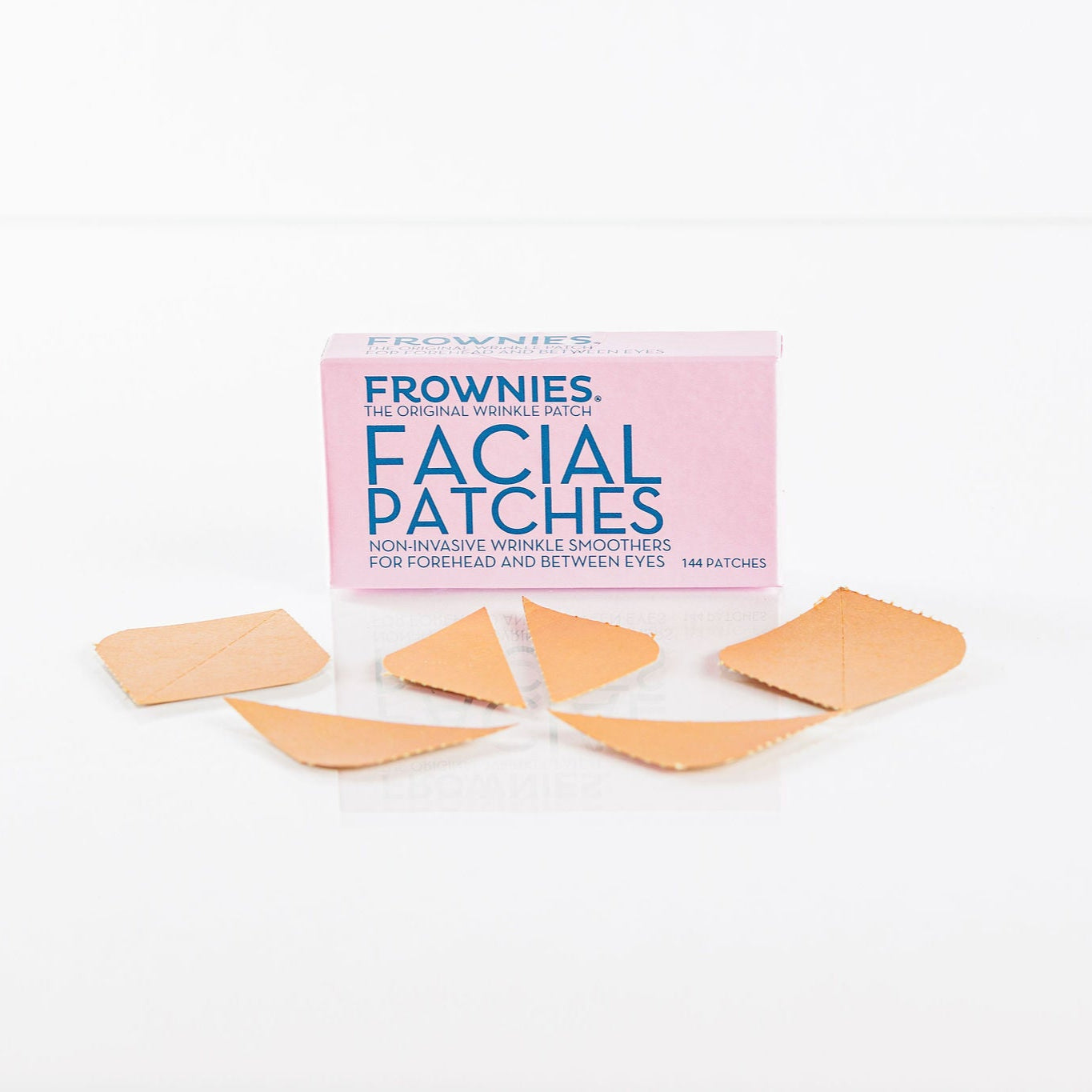
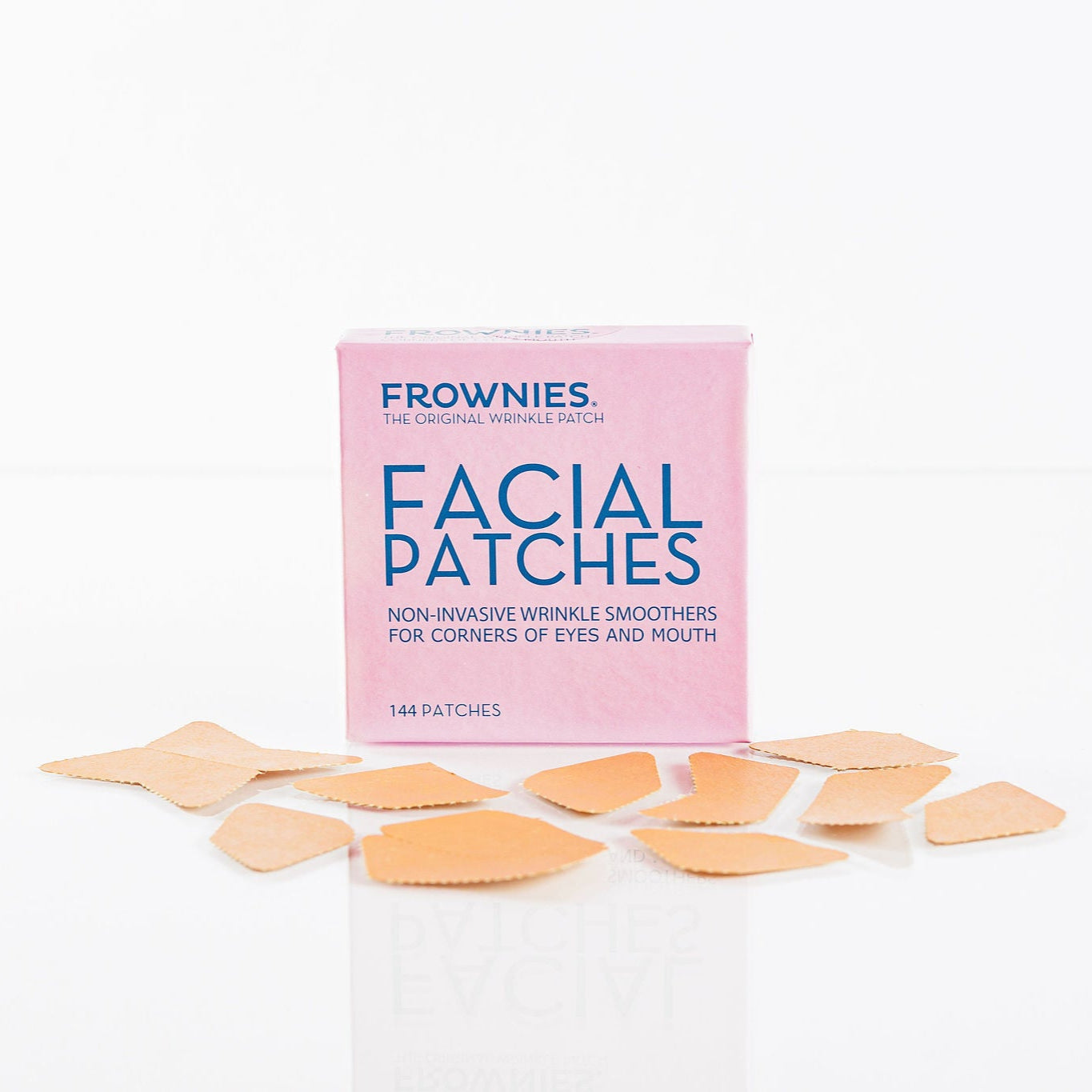
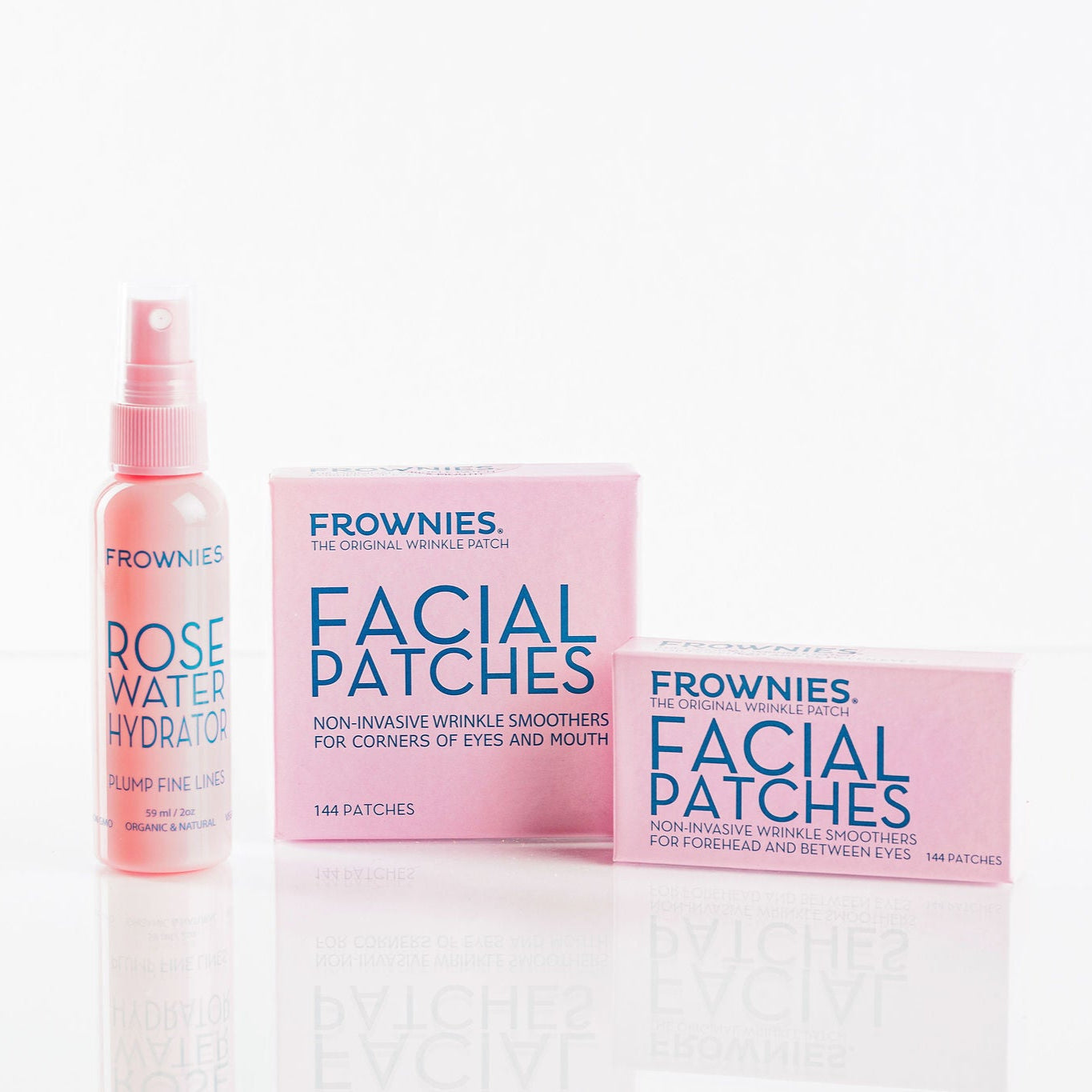
Frownies Facial Patches are water-activated, which means you moisten them to activate the adhesive before they go on. Water works. But rose water works better, and our customers agree. It is our preferred activator, because it combines two benefits into one skincare step. You get your Frownies on, plus you get a hydrating, soothing layer on the skin underneath them, in the same motion.
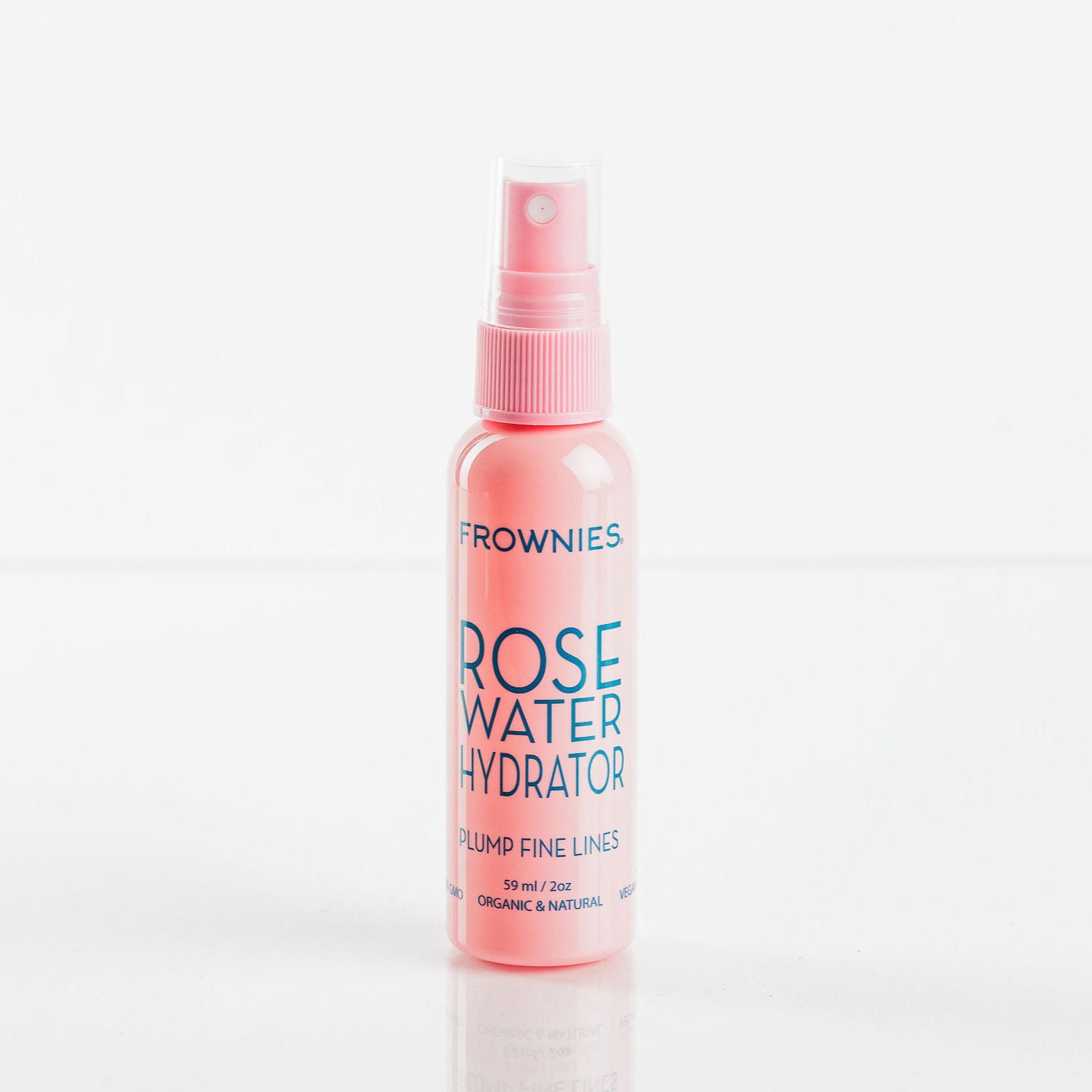
That is also why our Rose Water Hydrator is not just rose water. It is a small blend chosen so the ingredients do more together than rose hydrosol does alone.
-
Organic rose hydrosol, distilled from Bulgarian Rosa damascena and shipped to us from Bulgaria, carries the soothing, refreshing properties described above.
-
Sodium hyaluronate, a form of hyaluronic acid, is a humectant that holds water at the skin's surface and helps limit how quickly it evaporates. It is what keeps the hydration lasting longer.
-
Aloe vera is a humectant in its own right, and topical aloe extract has been shown to increase the water content of the outer skin layer with regular use.
-
Comfrey contributes allantoin and rosmarinic acid, long associated with soothing, well-tolerated topical preparations.
-
Aspen bark rounds out our formula, as a plant-derived way to keep the formula fresh.
Frownies Rose Water is nonirritanting, hypoallergenic, and tested under the control of a dermatologist. It is handmade in small batches at our Ohio warehouse, which is why the color and scent may vary slightly from batch to batch.
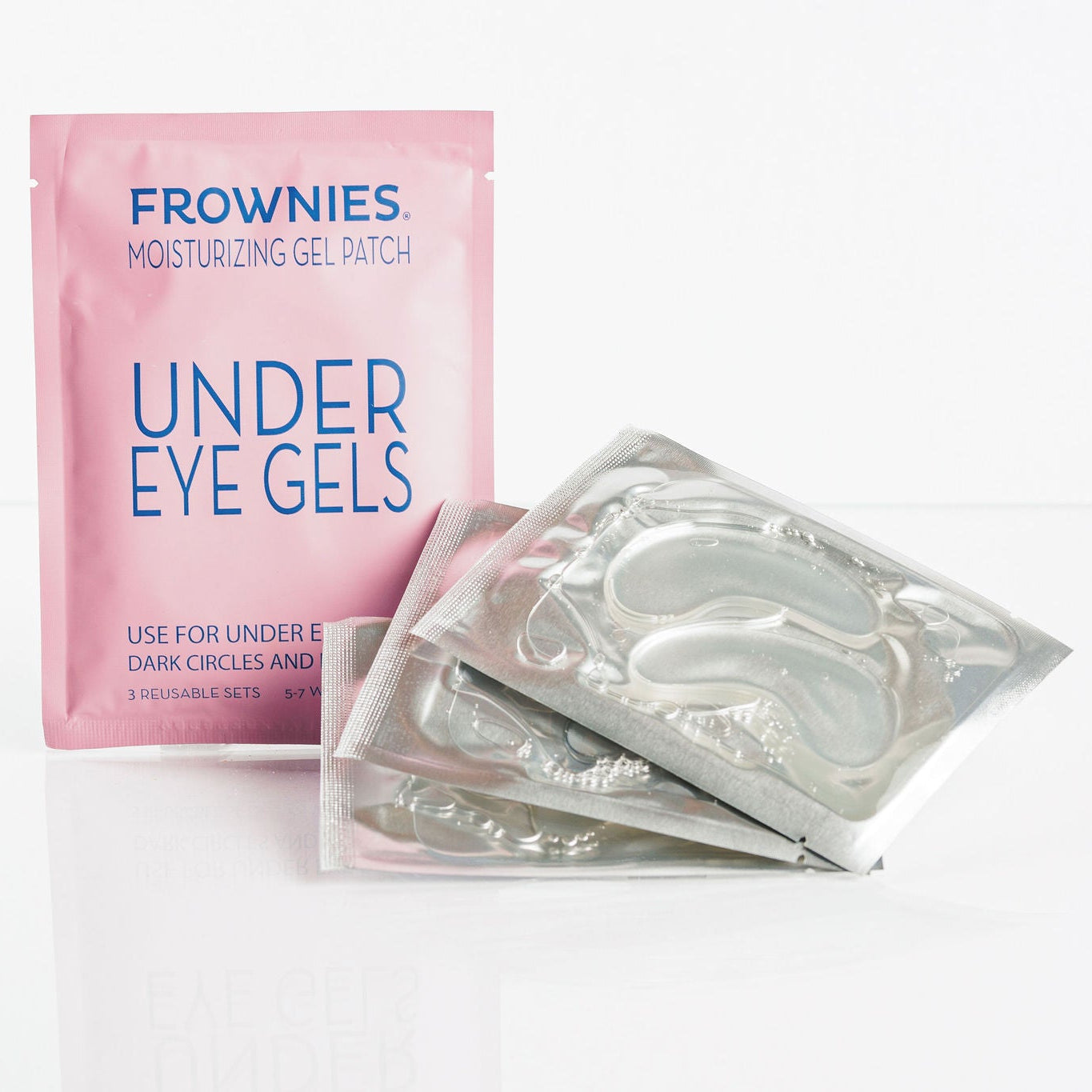
It does good work outside the Frownies ritual, too. A light pass over your under eye gels freshens them between wears, and it is a perfectly good everyday step on its own for anyone who never wears Frownies at all.
If you like deep diving into ingredients, you can read our guides on castor oil for skin and aloe vera moisturizer.
Rose water questions we hear most
Q: Is rose water good for your skin?
A: Yes, for most people, rose water is a gentlly hydrating and soothing step. It suits dry and sensitive skin particularly well; although, a small number of people may react to rose or to aromatic compounds, so patch test if your skin is very reactive.
Q: Does rose water help skin, or is it mostly the scent?
A: Rose water does help, modestly and at the appearance level. It adds a light layer of water-based moisture and can make skin look calmer and more even. The scent is a genuine part of why people keep using it, and that is a reasonable thing to want from a product.
Q: Can you use rose water every day?
A: Yes, morning and night. It is gentle enough for daily use and, as long as your skin tolerates it.
Q: Does rose water help dry skin?
A: It helps as a first layer. Applied to damp skin and sealed with a moisturizer or facial oil, it is genuinely useful. Used alone on very dry skin, it will feel nice and then evaporate.
Q: Can you put rose water on over makeup?
A: Yes. A light pass is fine and will soften most finishes. Let it settle for a moment before touching your face.
Not just a pretty scent: What to expect from rose water, honestly
The rose water benefits for skin are real, yet subtle. It hydrates lightly, it calms how skin looks, and it makes the next step in your routine work a little better. Nothing about it is dramatic, and we would rather tell you that than hype you up.
Ready to try it in the ritual it was built for? Start with Frownies Facial Patches + Rose Water bundle.