
Castor oil went from the forgotten bottle at the back of your grandma's medicine cabinet to a genuine skincare staple faster than almost any ingredient in recent memory. It is thick, a little sticky, and completely unglamorous. And it has quietly earned its place in natural skincare routines.
The castor oil benefits for skin come down to one main thing. It is an occlusive, which means it sits on the surface and seals moisture in. It holds hydration in place, softens the feel of dry areas, and calms the look of redness. It is a good moisturizer, not a miracle worker, and knowing the difference is what makes it genuinely useful.
What is ricinoleic acid, and what does it have to do with castor oil?
Almost everything interesting about castor oil comes down to one main ingredient. So, what is ricinoleic acid? Ricinoleic acid is a monounsaturated fatty acid that makes up the large majority of castor oil, and it is pretty unique. Unlike the fatty acids in most other plant oils, ricinoleic acid carries an extra hydroxyl group, which makes it more polar and is a big part of why castor oil feels so different from lighter oils like jojoba or squalane. Dermatology sources generally describe castor oil as both an emollient and an occlusive, meaning it softens the surface while forming a barrier that prevents water from evaporating.
That heaviness is a feature and a limitation at the same time. It is what lets the oil form a seal, and it is also why castor oil can feel like too much on some faces. That one mechanism is worth remembering, because almost every real benefit below traces back to it.

What castor oil does for your skin
The castor oil benefits for skin come down to moisture, comfort, and a softer-looking surface. Here is each one in detail.
It seals moisture in
Castor oil's main job is to lock hydration in. As an occlusive, it forms a light barrier on top of the skin that slows the water your skin loses through the day and night. When skin holds onto its moisture, it looks fuller and feels suppler, and you can kiss dry, flaky patches goodbye. If your skin runs dry, this is the benefit you will notice first.
And a quick point of clarification, because the internet often muddles it. Is castor oil a humectant, or is castor oil an occlusive? A humectant, like glycerin or hyaluronic acid, pulls water toward the skin. An occlusive keeps water from leaving. Therefore, castor oil is considered an occlusive. That is why castor oil works even better layered over a water-based or humectant product than it does on its own.
It helps calm the look of irritation
Ricinoleic acid is the reason castor oil has such a long reputation for soothing. In lab research, ricinoleic acid has shown anti-inflammatory activity without the sting some active ingredients may cause, which is why castor oil turns up in balms meant for rough, angry-looking patches. Used gently, a little castor oil can make an irritated-looking area look and feel more comfortable.
It supports a healthy-looking moisture barrier
Because it seals moisture in, castor oil can help your skin barrier look and feel healthier over time, especially through dry seasons. Skin that is well moisturized simply behaves better. It looks smoother, and dry patches settle down instead of flaking through the day.
 Is castor oil good for your skin, and for your face?
For most people with normal to dry skin, yes, castor oil is good for the skin, when used in small amounts. It is one of the more affordable, gentle, plant-based moisturizing oils you can buy, and it earns its place for dry cheeks, flaky spots, and rough areas.
Is castor oil good for your face specifically? For dry and normal skin, it can be! And despite how rich (read: thick) it feels, castor oil scores a 1 out of 5 on the original comedogenic scale dermatologist James Fulton published in 1989, which means it rarely clogs pores for most people.
If your skin is oily or acne-prone, the thing to watch with castor oil is not really pore-clogging, it is weight. It is a thick, heavy oil, and a rich oil is not always what congestion-prone skin wants sitting on it. As with any new oil, a patch test first is the smart move. Try a little on the inner arm or along the jaw for a day or two before you commit it to your whole face. If after patch testing you find that castor oil is not for you, there are lighter oil options, like squalane or jojoba, that give similar moisture without the heaviness. Your skin gets the final say, not a chart.
How castor oil compares to other face oils
If you are deciding between oils, it helps to know where castor oil fits. Most of the castor oil skin benefits come down to one thing, its weight. It is a heavy, sealing oil, which is exactly what makes it good at holding moisture in and less ideal for skin that already feels oily.
If a heavy oil isn't what you're looking for, there are a few great lightweight options. Jojoba is light and close to your skin's own oils, so it suits most skin types, including combination and oily. Squalane is featherweight and absorbs fast, a good pick if you want hydration without any heaviness. Rosehip is prized for its feel on uneven-looking or sun-stressed skin. Castor oil is the heavyweight of the group, less of an everyday all-over oil, more of a targeted sealer for dry cheeks, flaky patches, and rough spots, or a thin top layer over a lighter serum. None of these is better in the abstract. The best one is the one that matches your skin and the job you are asking it to do. You can learn more about 10 noncomedogenic facial oils in Frownies Vitamin C & E Skin Serum.
 How to use castor oil on your face
The best castor oil for skin is cold-pressed and hexane-free, and labeled for cosmetic use. You will usually find it in the beauty or health aisle.
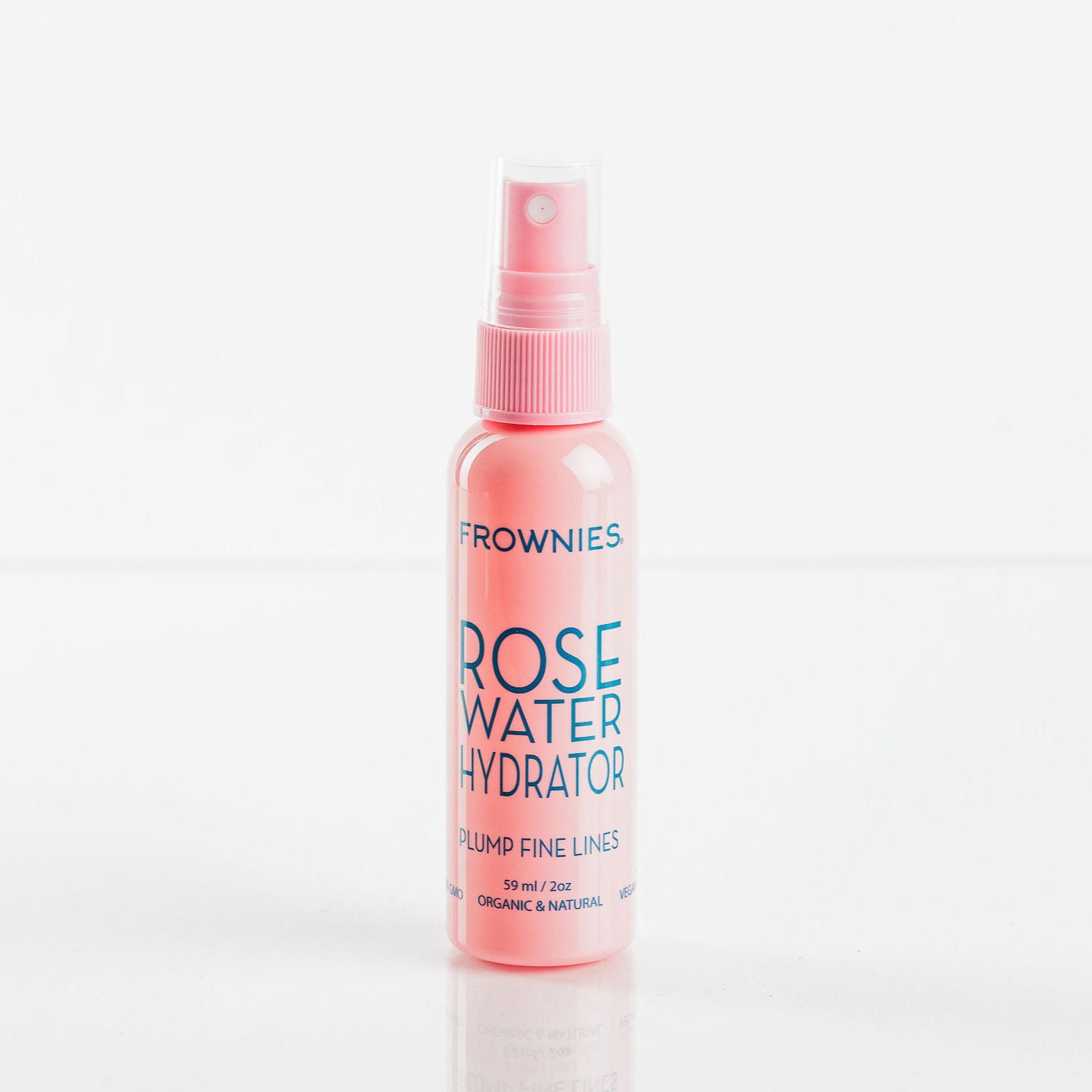
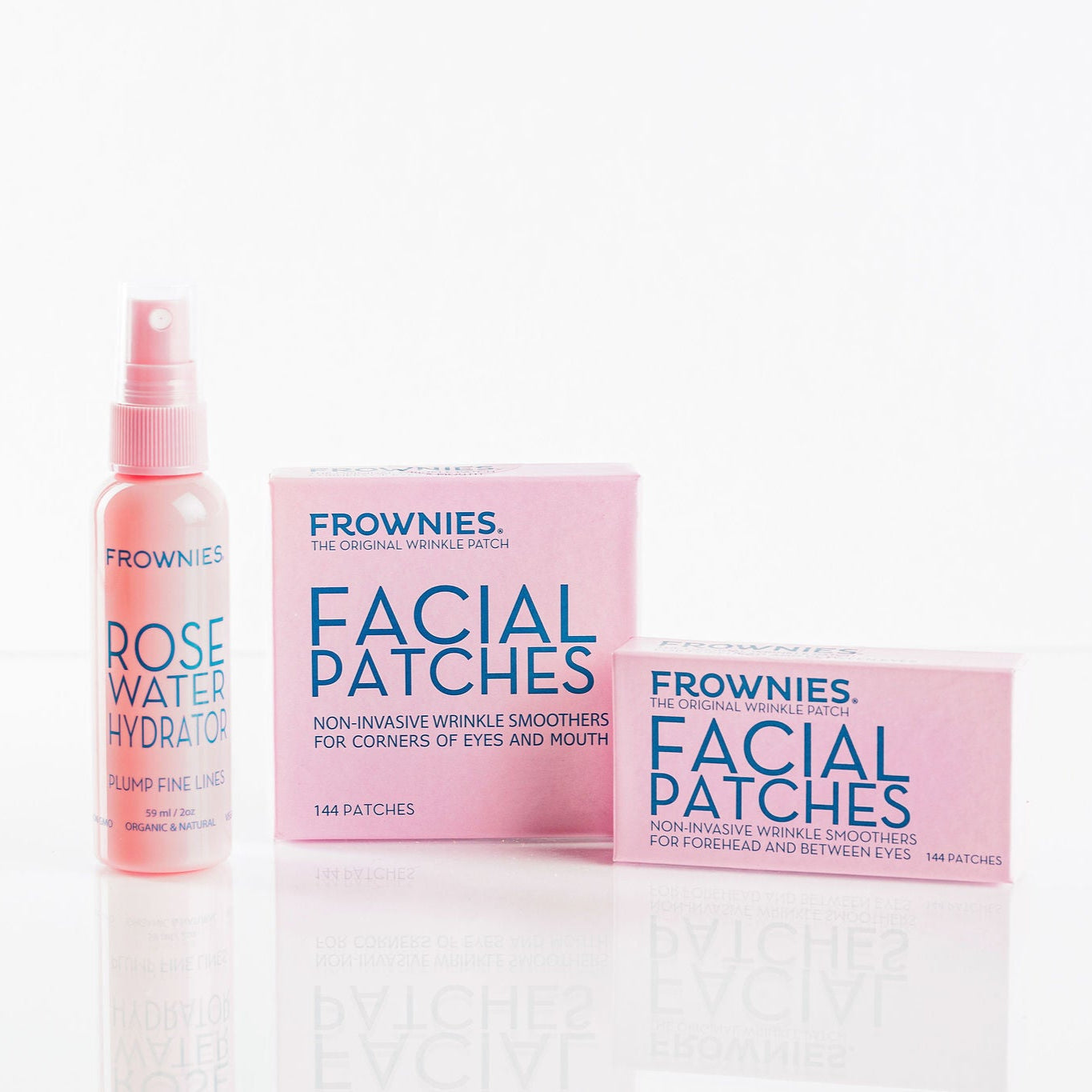
When it comes to castor oil, a little goes a very long way. Warm a few drops between clean fingertips and press it gently over slightly damp skin, ideally after a water-based serum or a hydrating mist, like Frownies Rose Water Hydrator, so there is moisture for the oil to seal in. Massaging it in with light, upward strokes helps it settle.
Can you leave castor oil on your face overnight? Yes, and overnight is often when it works best, because your skin does its recovery while you sleep and the oil has hours to hold moisture in place. Use a small amount to limit transfer all over your pillow, and if your skin leans oily, use overnight castor oil to target dry areas to see how your skin reacts, before applying it to your whole face.
Castor oil and fine lines
Castor oil will not erase a line, and no oil will. It hydrates, and hydrated skin looks fuller, so a fine line sitting in that skin reads as softer for as long as the moisture lasts. That effect is real, it is appearance-level, and it fades when the hydration does.
It is also only half of what a line needs. Dryness makes a crease more visible, and repeated expression is what folded it there in the first place. Castor oil handles the dryness but cannot touch the repetition component. If that is the question that brought you here, our guide to castor oil for wrinkles covers what to realistically expect, how to use castor oil around the eyes and the forehead, and what other products to pair it with.

Where castor oil meets your Frownies
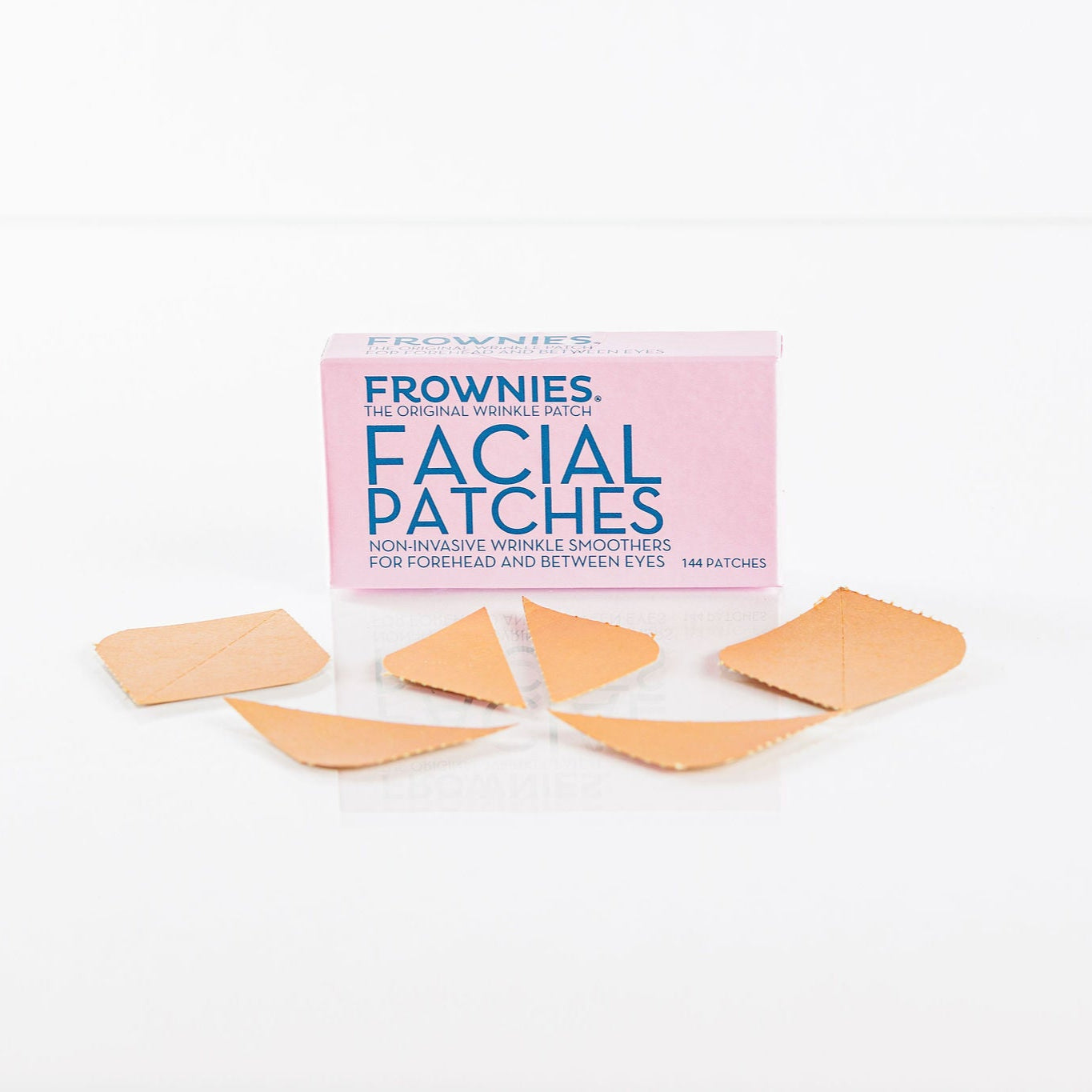
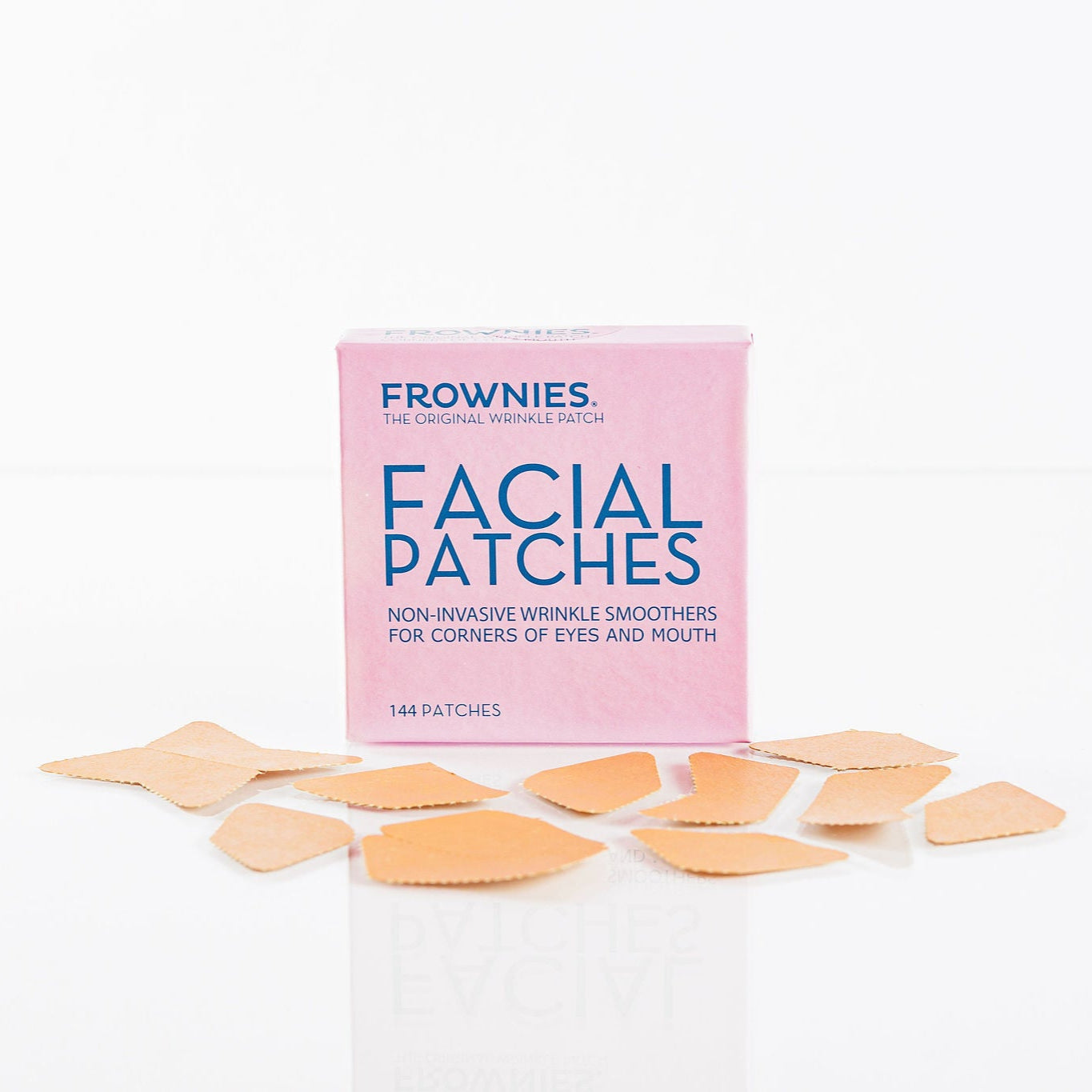
Some of the best Frownies tips do not come from us. They come from our community, the people who show up every day in our Instagram comments and our Facebook group to share what actually works on real skin. This is one of those insider, girlies-who-know application tips. Massage just a few drops of castor oil on the skin before you apply Frownies Facial Patches, and it can help the patches hold, and it was making the rounds among longtime wearers long before it ever made it into our own routines.
Frequently asked questions
Is castor oil good for skin?
For most people with normal to dry skin, yes. Castor oil is a gentle, plant-based occlusive that seals moisture in and softens the look of dry, rough patches. If your skin is oily or acne-prone, it may feel too heavy, so patch test first and consider a lighter oil.
What does castor oil do for skin?
Castor oil moisturizes by forming a light seal on the surface that slows water loss, which keeps skin looking fuller and feeling softer. Its main fatty acid, ricinoleic acid, is also described as soothing to skin that looks irritated.
Is castor oil a humectant or an occlusive?
Castor oil is an occlusive, not a humectant. It keeps moisture from leaving the skin rather than drawing water in, which is why it works well layered over a water-based or humectant product.
Can I leave castor oil on my face overnight?
Yes. Overnight is often the best time to use it, since skin recovers while you sleep and the oil has hours to hold moisture in place. Use a small amount, and if your skin is oily, keep it to targeted dry areas.
What kind of castor oil is best for the face?
Cold-pressed, hexane-free castor oil that is labeled for cosmetic use. Cold-pressing preserves the oil's natural compounds, and hexane-free means no chemical solvent was used to extract it.
How often should you use castor oil on your face?
A few nights a week is plenty for most people. Castor oil is rich, so a little used consistently does more than a lot used occasionally. If your skin is dry, nightly can be lovely. If it leans oily, start with two or three nights a week on dry areas and see how your skin responds.
Can you use castor oil around your eyes, brows, or lashes?
Many people do, and castor oil can leave the skin and hairs there looking conditioned and glossy. Keep it to a tiny amount, stay off the lash line and out of the eye itself, and patch test first, since the eye area is delicate. One honest note: the popular idea that castor oil grows lashes or brows is not well supported. What it reliably does is condition and add shine to the look.
Is castor oil good for dry skin?
Yes, dry skin is where castor oil does its best work. As an occlusive, it seals in moisture and softens the look of flaky, tight areas, especially overnight and through dry seasons. Layer it over a water-based serum or hydrating mist so it has moisture to lock in.
What castor oil can and can't do for your face
The real benefits of castor oil on face are refreshingly simple. It seals in moisture, softens the look of dry and flaky areas, and helps irritated-looking skin feel more comfortable. Set against what the internet tends to promise, the castor oil benefits for skin are subtle, yet real. Used a few nights a week, that is enough to make dry skin look smoother and more rested.
It is worth clearing up two things castor oil often gets credited with that it does not really do. First, it does not lift or firm the skin. Like any good moisturizer, it makes the surface look softer by keeping skin hydrated. Second, you will see castor oil described as an oil that "penetrates deeply" and "carries other ingredients into the skin." There is a small kernel of truth to that in the research, but most of the oil stays in the skin's outer layer, doing its work right at the surface. That is not a shortcoming. Sitting on top and sealing is the whole point of an occlusive, and it is exactly why castor oil earns its place.
A thick oil that does one thing well
Nearly all of the benefits of castor oil for skin trace back to that single mechanism, which is a good thing rather than a limitation. The castor oil benefits for skin are not dramatic and they were never going to be. One cheap, gentle, plant-based bottle that keeps dry skin comfortable and looking smoother is worth more than a shelf of products promising things no ingredient can deliver. That is the whole Frownies way of thinking about skincare: a handful of small, honest things that help your skin look and feel its best, because it feels good to take care of yourself. You are not trying to look younger. You are trying to look like yourself, rested and comfortable in your own skin.
To keep going, our guides on aloe vera moisturizer, the kaolin clay mask, rose water, and vitamin e oil for scars round out the natural-ingredient shelf.